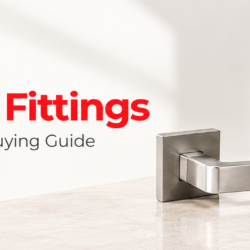
A cupboard lock is a tiny but crucial piece of furniture hardware used to safeguard office supplies, documents, valuables, and other stored goods. In addition to securing a cabinet, the ideal lock should fit the type of furniture, locking mechanism, frequency of use, and level of security needed.
Selecting a trustworthy cabinet or cupboard lock can improve everyday storage security and convenience for residences, workplaces, hotels, retail establishments, and commercial equipment.
Quba India provides architectural hardware and furniture solutions that blend durability, esthetics, and usefulness. For a variety of furniture applications, its cupboard lock collection features solutions with precise locking mechanisms and various key configurations.
What Is a Cupboard Lock?
A cupboard lock is a mechanical or electrical locking device that is mounted on cabinets, storage units, closets, cupboard doors, and other furniture of a similar type.
Conventional cupboard locks typically operate a bolt or cam mechanism with a physical key. The lock can be installed on metal, wood, or other suitable furniture structures, depending on the design.
A well-thought-out cabinet lock should offer:
Dependable locking and unlocking
Suitability for daily use
Fit with the furniture
Easy key operation
A finish that goes well with the furniture
Appropriate measurements for the installation
For example, Quba’s Q 203 C Cupboard Lock uses a precision bolt locking mechanism and is available with dimple key, regular key, and common-key options. It is offered in multiple finishes and cylinder sizes.
Cupboard Lock Features to Look For
Not every cupboard lock is designed in the same way. Before selecting one, consider the mechanism, key type, dimensions, finish, and intended application.
1. Precision Locking Mechanism
A precision-engineered locking mechanism helps the bolt engage correctly and provides consistent operation during everyday use.
This is particularly useful for office cupboards, filing storage, wardrobes, and cabinets that are opened and closed frequently.
2. Different Key Options
Key configuration can make a significant difference when multiple cupboards are installed in the same location.
Depending on the product, options may include:
- Regular keys
- Dimple keys
- Common-key systems
- Other application-specific configurations
Quba’s Q 203 C, for example, is available with dimple and regular key options and can also be supplied with a common-key configuration.
3. Multiple Finish Options
Furniture hardware is visible, so appearance matters.
Quba’s Q 203 C cupboard lock is available in finishes including SS, AB, RG, GP, and JBM, allowing the hardware to coordinate with different furniture styles.
4. Different Cylinder Sizes
The cylinder dimension should match the furniture and installation requirements.
Quba’s Q 203 C is available in 25 mm, 30 mm, and 35 mm cylinder sizes, subject to the selected configuration.
Benefits of Using a Quality Cupboard Lock
Better Protection for Stored Items
Cupboards often contain more valuable items than their appearance suggests. Important documents, electronics, personal belongings, inventory, and office materials may all require controlled access.
A suitable cupboard lock adds an additional physical barrier against unauthorised access.
Convenient Everyday Operation
A good lock should not make normal cupboard usage difficult.
Smooth key operation and proper alignment between the lock and furniture can make daily opening and closing easier.
Suitable for Homes and Offices
Cupboard locks can be used in many environments, including:
- Bedrooms
- Kitchens
- Home offices
- Corporate offices
- Schools
- Hotels
- Retail stores
- Filing cabinets
- Commercial storage furniture
Complements Furniture Design
Modern furniture hardware does not have to look out of place.
A suitable finish and compact design can integrate the lock into the overall appearance of a wardrobe, cabinet, cupboard, or storage unit.
For a broader selection, explore Quba’s furniture locks, which cover different furniture-security applications.
Cupboard Lock vs Cabinet Lock vs Digital Furniture Lock
The terms are sometimes used interchangeably, but the best option depends on the application.
| Feature | Traditional Cupboard Lock | Cabinet Lock | Digital Furniture Lock |
|---|---|---|---|
| Physical key | Usually | Usually | Optional/varies |
| PIN access | No | Usually no | Available on selected models |
| Fingerprint | No | No | Available on selected models |
| Mobile access | No | No | Available on selected models |
| Installation | Generally simple | Generally simple | Requires electronic installation |
| Battery required | No | No | Usually yes |
| Best suited for | Everyday furniture security | Cabinets/storage | Smart and premium furniture |
| Access management | Basic | Basic | Advanced on selected models |
Quba’s digital furniture-lock range includes features such as password access, fingerprint access, mobile connectivity, low-battery alerts, emergency power supply, and auto-locking on applicable models.
This means a traditional cupboard lock may be appropriate when simple key-based security is sufficient, while a digital furniture lock can be considered when keyless access and user management are priorities.
Real-World Examples: Where Should You Use a Cupboard Lock?
Home Wardrobe
Imagine a bedroom wardrobe containing passports, jewellery, important documents, or personal belongings. A lock provides controlled physical access without changing the entire wardrobe design.
Office Storage
An office cupboard may contain contracts, employee documents, stationery, or confidential paperwork. A cupboard lock allows access to be restricted to authorised users.
Retail and Commercial Furniture
Retail counters and storage cabinets may contain stock, cash-related materials, or business documents. A suitable furniture lock provides an additional security layer.
Hotel and Hospitality Furniture
Storage cabinets and furniture in hospitality environments may require dependable locking hardware that can withstand frequent use.
How to Choose the Right Cupboard Lock
Step 1: Check the Furniture Type
First identify whether the lock will be installed on:
- Wooden cupboard
- Metal cabinet
- Wardrobe
- Filing cabinet
- Drawer
- Storage unit
- Commercial furniture
The furniture construction affects compatibility and installation.
Step 2: Measure Before Buying
Do not select a lock based only on appearance.
Check:
- Existing lock dimensions
- Cylinder size
- Door thickness
- Mounting position
- Available installation space
- Bolt alignment
For Quba’s Q 203 C, cylinder sizes include 25 mm, 30 mm, and 35 mm options. Always confirm the exact specification required for your furniture before purchase.
Step 3: Decide the Access Requirement
Ask yourself:
Do you need simple key access?
A conventional cupboard lock may be sufficient.
Do several cupboards need controlled key management?
Consider whether a common-key configuration is useful for the installation.
Do you want keyless access?
For premium furniture, wardrobes, cabinets, and smart storage, explore digital furniture locks with applicable access methods.
Step 4: Consider the Finish
The lock should complement handles, hinges, knobs, and other furniture hardware.
For premium interiors, finish selection can be just as important as functionality.
Step 5: Consider Usage Frequency
A cupboard used once a month has different requirements from an office cabinet opened dozens of times each day.
For high-use applications, prioritise a robust mechanism, smooth operation, and appropriate installation.
Expert Advice: Common Cupboard Lock Buying Mistakes
Choosing Without Measuring
Even a high-quality lock may not fit if the cylinder size or mounting dimensions are incorrect.
Buying Only on Appearance
A stylish finish is useful, but the locking mechanism and compatibility should come first.
Ignoring Key Management
If several people need access, think about how keys will be distributed, controlled, and replaced.
Using the Wrong Lock for the Application
A basic mechanical cupboard lock and a digital furniture lock solve different problems. Choose according to your security and convenience requirements.
Ignoring Furniture Alignment
A lock works properly only when the door, strike/receiver, bolt, and lock body are correctly aligned.
Why Consider Quba for Furniture Security?
Quba brings together architectural hardware, digital access solutions, furniture-related products, and other interior hardware categories. The company states that its wider network includes 10,000+ dealers, while its product portfolio includes furniture locks and digital furniture-lock solutions.
For customers who want traditional key-based furniture security, Quba’s cupboard-lock solutions provide practical options. For users looking for smart access, Quba’s digital furniture locks offer additional technologies such as fingerprint, password, mobile access, emergency power, and automatic locking on applicable models.
Frequently Asked Questions About Cupboard Locks
What is the best type of cupboard lock?
The appropriate type depends on the furniture, required security, installation dimensions, and preferred access method. A traditional key lock can be suitable for straightforward furniture security, while digital furniture locks are an option when keyless access is required.
Can a cupboard lock be used on a wardrobe?
Yes, provided the lock dimensions and mechanism are compatible with the wardrobe construction and door design.
What should I check before buying a cupboard lock?
Check the furniture material, door thickness, cylinder size, mounting requirements, key type, finish, and intended frequency of use.
Are digital furniture locks better than traditional cupboard locks?
They serve different requirements. Traditional locks provide straightforward key-based access, while digital furniture locks can offer features such as fingerprint, password, mobile access, and user management on applicable models.
Does Quba offer furniture locks?
Yes. Quba has a furniture-lock category covering different furniture-security applications, along with a separate range of digital furniture locks.
Final Buying Advice
A cupboard lock may be a small component, but the right choice can make a meaningful difference to furniture security, convenience, durability, and appearance. Before purchasing, measure the furniture carefully, understand the locking requirement, select the appropriate key or access method, and choose a finish that works with the overall interior.
For straightforward key-based applications, explore Quba’s cupboard and furniture lock solutions. If you want a more connected, keyless approach, consider Quba’s digital furniture locks for applicable cabinets, wardrobes, drawers, and storage furniture.